
By Dr Beh Boon Ping, Consultant General Paediatrician, Hospital Seri Botani
A Paediatrician’s Perspective
Few things worry parents more than seeing their child develop a fever. It is one of the most common reasons children are brought to a paediatric clinic or emergency department. However, fever itself is not a disease—it is often a sign that the body is fighting an infection.
Understanding what fever is, when to be concerned, and how to care for a child with fever can help parents make informed decisions and reduce unnecessary anxiety.
What Is Fever?
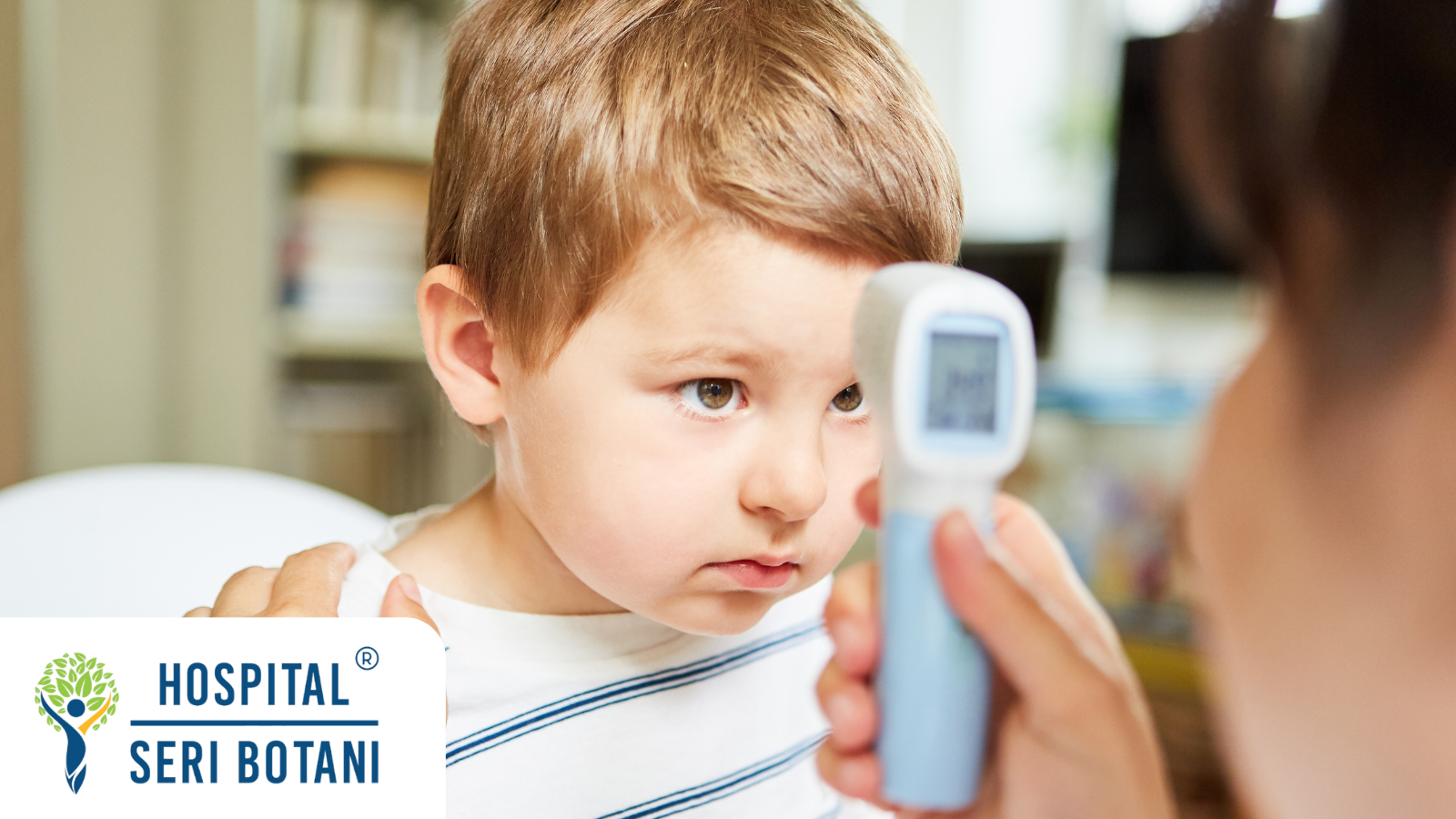
A fever is generally defined as a body temperature of 37.5°C or higher when measured using a reliable thermometer.
Normal body temperature can fluctuate throughout the day and may vary slightly from child to child. Fever is the body’s natural defense mechanism against infections caused by viruses, bacteria, and other microorganisms.
In many cases, fever is actually a helpful response because it enhances the immune system’s ability to fight infection.
Common Causes of Fever in Children
The majority of fevers in children are caused by viral infections, including:
- Common cold viruses
- Influenza (flu)
- COVID-19
- Respiratory Syncytial Virus (RSV)
- Hand, Foot and Mouth Disease (HFMD)
- Roseola and other childhood viral illnesses
Other causes may include:
- Ear infections
- Tonsillitis
- Urinary tract infections (UTIs)
- Pneumonia
- Dengue fever
- Post-vaccination reactions
Most childhood fevers are self-limiting and resolve within a few days.
How High Is Too High?
One of the most common misconceptions is that the height of the fever determines the severity of the illness.
In reality, the child’s overall condition is often more important than the number on the thermometer.
For example:
A child with a temperature of 39.5°C who is still drinking, playing, and interacting may be less concerning than a child with a temperature of 38°C who is lethargic, difficult to wake, or struggling to breathe.
As paediatricians, we assess the entire child, not just the temperature reading.
How Should Parents Care for a Child with Fever?
1. Ensure Adequate Hydration
Children with fever lose more fluids through sweating and faster breathing.
Offer:
- Water (for older children)
- Breast milk
- Formula milk
- Oral rehydration solutions if necessary
Watch for signs of dehydration such as:
- Dry lips
- Reduced urine output
- Sunken eyes
- Excessive sleepiness
2. Dress Comfortably
Avoid overdressing or wrapping your child in thick blankets.
Light clothing and a comfortable room temperature can help your child feel better.
3. Use Fever Medication Appropriately
Paracetamol and ibuprofen may be used to relieve discomfort caused by fever.
The goal of treatment is not necessarily to bring the temperature back to normal but to make the child more comfortable.
Always administer medications according to your child’s weight and follow your doctor’s advice.
4. Consider Tepid Sponging
If your child is uncomfortable, gentle tepid sponging with lukewarm water may help.
Avoid:
- Ice water
- Alcohol rubs
- Very cold baths
These methods can cause shivering and may actually increase body temperature.
When Should Parents Seek Medical Attention?
Infants Under 3 Months
Any fever in a baby younger than 3 months should be evaluated promptly by a healthcare professional.
Persistent Fever
Seek medical advice if:
- Fever lasts more than 3–5 days
- Fever returns after initially improving
- Your child appears increasingly unwell
Warning Signs
Seek urgent medical attention if your child develops:
- Difficulty breathing
- Persistent vomiting
- Refusal to drink fluids
- Signs of dehydration
- Unusual drowsiness or lethargy
- Seizures (fits)
- Severe headache
- Stiff neck
- Non-blanching rash
- Extreme irritability
- Persistent crying that cannot be comforted
What About Febrile Seizures?
Febrile seizures are seizures triggered by fever and usually occur in children between 6 months and 5 years of age.
Although frightening to witness, most febrile seizures are brief and do not cause long-term brain damage.
If your child experiences a seizure:
- Place them on their side.
- Remove nearby objects that may cause injury.
- Do not place anything in their mouth.
- Observe the duration of the seizure.
- Seek medical evaluation afterwards.
If the seizure lasts more than 5 minutes, call emergency services immediately.
Common Myths About Fever
Myth 1: Fever Causes Brain Damage
Most fevers caused by common infections do not cause brain damage. Brain injury from fever occurs only at extremely high body temperatures, which are uncommon in typical childhood illnesses.
Myth 2: Fever Must Always Be Reduced
The purpose of fever medication is to improve comfort rather than simply to lower the temperature.
Myth 3: Every Fever Requires Antibiotics
Most childhood fevers are caused by viral infections, and antibiotics do not work against viruses.
The Take-Home Message
Fever is one of the most common symptoms encountered in paediatric practice. In most cases, it is a normal and beneficial response to infection.
Parents should focus not only on the temperature reading but also on their child’s overall behaviour, hydration status, breathing pattern, and activity level.
A child who remains alert, interactive, and well hydrated can often be managed safely at home with supportive care. However, if warning signs develop or there are concerns about the child’s condition, medical assessment should be sought promptly.
Remember: Treat the child, not just the thermometer.