
By Dr Deborah Ding Ying-San, Consultant Plastic & Reconstructive Surgeon, Hospital Seri Botani
Key Takeaways
- Most birthmarks are harmless and do not require removal, although some need monitoring or medical assessment.
- Birthmarks can be broadly classified as pigmented or vascular, and different types respond differently to treatment.
- Birthmark removal may involve laser treatment, surgery or other approaches depending on the birthmark’s characteristics.
- Children and adults may be candidates for treatment when there is a medical, functional or significant cosmetic concern.
- Treatment does not always make a birthmark completely invisible, and some patients may need multiple sessions.
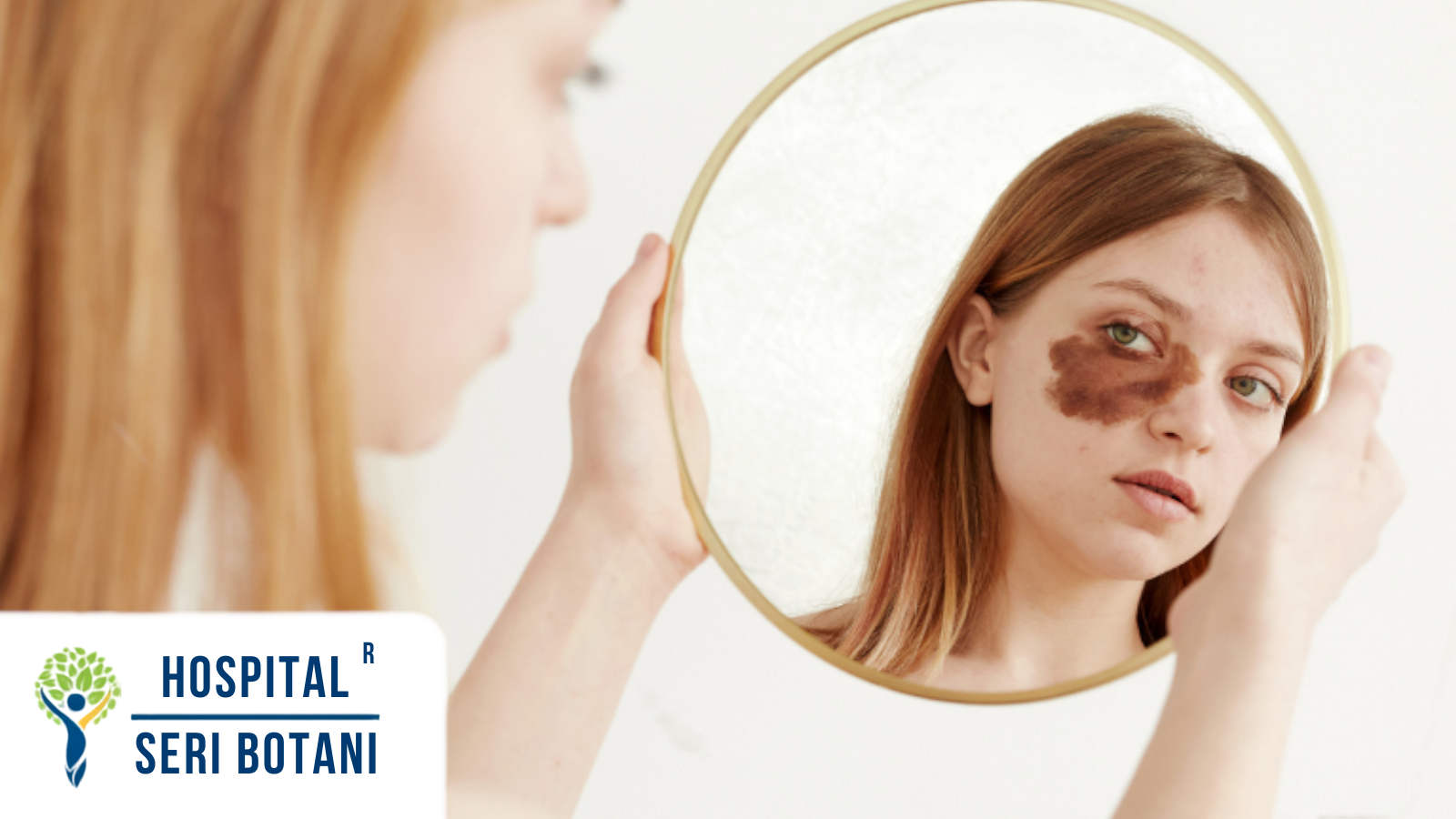
Birthmarks are skin markings caused by differences in pigment cells or blood vessels. They can vary in colour, size, shape, texture and location.
Some are present at birth, while others become noticeable during infancy or childhood. Most are not hereditary or caused by anything a parent did during pregnancy.
Birthmarks can also change over time. Some may fade or become smaller, while others may grow, darken, thicken or become more raised as a child develops. However, a new or unusual skin mark, especially in adulthood, should not automatically be assumed to be a birthmark and may need medical assessment.
Understanding the type and expected changes of a birthmark can help determine whether it should simply be monitored or treated.
Types of Birthmarks
Pigmented Birthmarks
Pigmented birthmarks occur because of differences in the distribution or concentration of pigment-producing cells in the skin.
Café-au-lait Spots
These are usually flat, light-brown patches of skin.
A small number may be harmless, but multiple café-au-lait spots may sometimes be associated with an underlying genetic condition. A doctor can advise whether further assessment is appropriate.
Congenital Melanocytic Naevi
These are pigmented moles that are present at birth or become apparent shortly afterwards.
They can vary greatly in size, colour and texture. Larger congenital melanocytic naevi may require closer medical monitoring because certain types carry an increased risk of melanoma.
Dermal Melanocytosis
These birthmarks typically appear blue-grey or slate-grey and are commonly found around the lower back or buttocks. Many become less noticeable as a child grows.
Vascular Birthmarks
Vascular birthmarks are associated with blood vessels in or beneath the skin.
Port-Wine Stains
These are usually flat pink, red or purple marks.
They generally do not disappear on their own and may become darker or thicker over time.
Laser therapy may be considered for some port-wine stains.
Infantile Haemangiomas
These are benign growths involving blood vessels.
They may become larger during the early months of life before gradually shrinking. Some require no treatment, while others may need medical management if they affect important structures or cause complications.
Does Every Birthmark Need to Be Removed?
No. Most birthmarks are harmless and do not need to be removed. Many can simply be monitored, especially if they are stable and cause no symptoms.
Treatment may be considered if a birthmark causes pain, bleeding, functional problems, complications or significant cosmetic or emotional concerns.
Some birthmarks may fade or shrink naturally, particularly certain childhood vascular birthmarks. Others, such as many port-wine stains and some pigmented birthmarks, may remain throughout life.
Monitoring involves watching for changes in size, colour, shape, texture, thickness or symptoms. Parents may also take occasional photographs to track changes.
Most birthmarks are benign, but certain pigmented birthmarks may carry a higher risk of melanoma. Rapid growth, significant colour or shape changes, new lumps, persistent bleeding, ulceration or pain should be assessed by a healthcare professional.
Large birthmarks are not necessarily more dangerous. Risk depends on the type, location and characteristics of the birthmark.
Parents should seek medical advice if a child’s birthmark changes unexpectedly, becomes painful or raised, bleeds, ulcerates, grows rapidly, or affects vision, breathing, feeding or movement.
An assessment does not always mean treatment is needed. In many cases, monitoring may be the safest option.
Are You a Good Candidate for Birthmark Removal?
Not every birthmark needs treatment, and the best option depends on the type, size, location and behaviour of the birthmark, as well as your overall health and treatment goals.
Removal may be considered for cosmetic concerns, symptoms or functional problems affecting vision, breathing, feeding, movement or hearing.
Birthmark removal can be performed for cosmetic reasons, especially when a visible birthmark affects confidence, social interactions or quality of life.
Your specialist will assess whether treatment is suitable and explain what results can realistically be achieved.
Birthmark Removal for Babies and Children
Children can undergo birthmark treatment when appropriate, but early treatment is not always necessary.
Some birthmarks naturally fade or shrink, while others may grow or affect important structures and require earlier intervention.
Specialists may consider the child’s age, birthmark type and growth pattern, location, symptoms, potential scarring, general health and anaesthesia requirements before recommending monitoring, early treatment or staged procedures.
How Do Plastic Surgeons Decide the Best Treatment?
There is no single best birthmark removal treatment. Your specialist will consider the birthmark’s characteristics, your age, skin type, symptoms and cosmetic goals before recommending the most suitable option.
Type, Size and Depth of the Birthmark
Treatment depends on whether the birthmark is pigmented, vascular, raised, flat or deeper in the skin.
Small, superficial birthmarks may respond well to laser treatment, while larger, deeper or raised birthmarks may require surgery, multiple sessions or a combination of treatments.
Location of the Birthmark
The location can affect treatment choice and healing. Birthmarks on areas such as the face, eyelids, nose, lips, scalp, hands or feet may require more careful planning because of nearby structures and differences in healing.
Skin Type
Yes. Skin type can influence the risk of pigmentation changes after certain laser treatments. People with darker skin may have a higher risk of hyperpigmentation or hypopigmentation, so treatment settings should be carefully individualised.
Age
Age can influence when treatment should be performed, particularly in children. Some birthmarks may improve naturally, while others affecting vision, movement or other functions may require earlier treatment.
Symptoms
Symptoms such as pain, bleeding, itching, ulceration or functional problems may affect the urgency and choice of treatment.
Treatment Goals
Your specialist will also consider whether you want to:
- Reduce the birthmark’s colour or size
- Flatten a raised birthmark
- Improve its texture
- Make it less noticeable
- Address functional problems
Having realistic expectations is important. Birthmark removal may improve the appearance of a birthmark, but it does not always result in completely normal-looking skin.
Risk of Recurrence
Some birthmarks may recur or become visible again after treatment.
The likelihood depends on the type, depth and treatment method.
Your specialist can explain the potential for recurrence and whether maintenance or additional treatment may be required.
Which Birthmark Removal Treatment Is Right for You?
Treatment options vary according to the type of birthmark.
The main approaches include laser treatment and surgical removal, while certain birthmarks may require medication, observation or other specialised treatments.
1. Laser Birthmark Removal
Laser treatment uses focused light energy to target specific structures within the birthmark.
Depending on the laser used, the target may be pigment or blood vessels.
Laser therapy may be considered for selected:
- Vascular birthmarks
- Pigmented birthmarks
- Port-wine stains
- Other superficial lesions
However, not every birthmark responds to laser treatment.
Multiple laser sessions are often required. The number depends on:
- Birthmark type
- Colour
- Size
- Depth
- Location
- Response to previous treatments
- Individual healing response
Sessions are usually spaced apart to allow the skin to recover and the treated area to respond.
Some patients describe laser treatment as feeling like a snapping or stinging sensation.
The level of discomfort depends on the treatment area and laser used.
Depending on the patient and procedure, your healthcare team may use topical numbing cream or another form of pain control.
Laser treatment does not involve a surgical incision, so it generally avoids the type of scar associated with surgical removal.
2. Surgical Birthmark Removal
Surgical removal involves physically removing the birthmark and closing the resulting wound.
It may be considered when a birthmark is:
- Raised
- Localised
- Deep
- Suitable for complete excision
- Unlikely to respond adequately to laser treatment
Surgery may sometimes provide a more immediate result than multiple laser sessions.
However, the trade-off is that surgery creates a scar.
3. Other Treatments
Depending on the type of birthmark, other approaches may sometimes be considered.
These can include:
- Medication
- Injection-based treatment
- Observation
- Combination therapy
- Other specialised dermatological treatments
Not every treatment is suitable for every birthmark.
For this reason, it is important to avoid choosing a treatment based solely on what worked for someone else.
Laser vs. Surgery
Neither treatment is universally better.
The right option depends on the individual birthmark.
Laser may be more suitable when:
- The birthmark is superficial
- It contains excess pigment or abnormal blood vessels
- There is a suitable laser target
- Minimising surgical scarring is a priority
- Multiple treatment sessions are acceptable
Surgery may be considered when:
- The birthmark is raised or localised
- It can be completely removed surgically
- It is unlikely to respond adequately to laser
- A single procedure is preferred
- Tissue needs to be removed for medical assessment
Treatment time depends on the type, size and treatment method. Laser procedures may be relatively quick, while surgery can take longer. Your specialist will explain the procedure time, anaesthesia, recovery period and follow-up needed.
What Results Can You Expect?
The goal of birthmark removal is not necessarily to make the skin completely identical to the surrounding area.
Depending on the birthmark, successful treatment may result in:
- Significant lightening
- Reduced visibility
- Flattening of a raised area
- Improved skin appearance
- Complete removal in selected cases
However, some residual pigmentation, texture changes or scarring may remain.
Your specialist should explain the likely outcome before treatment so that you have realistic expectations.
What Happens During a Birthmark Removal Consultation?
A consultation is an important first step before deciding whether birthmark removal is appropriate.
The purpose is not simply to decide which treatment to use. Your specialist will first determine what type of birthmark you have, whether it needs treatment and what approach is most likely to provide a safe and satisfactory result.
Your specialist will examine the birthmark and assess factors such as:
- Size
- Colour
- Shape
- Texture
- Thickness
- Depth
- Location
- Number of birthmarks
- Changes over time
They may also ask when the birthmark first appeared and whether it has changed in appearance.
If the birthmark has recently become larger, darker, raised, painful or otherwise unusual, this information is particularly important.
Tell your specialist about:
- Previous birthmark treatments
- Previous surgeries
- Medications
- Allergies
- Medical conditions
- Problems with wound healing
- A history of raised or excessive scarring
- Previous reactions to anaesthesia
If you have photographs showing how the birthmark looked previously, these may also be useful, particularly if the birthmark has changed.
What Happens During Birthmark Removal Surgery?
If surgery is recommended, your healthcare team will explain the procedure and anaesthesia options beforehand.
The exact process depends on the size, location and complexity of the birthmark.
Before Surgery
You may be given instructions about:
- Eating and drinking before surgery
- Medications
- Skin preparation
- Arranging transportation home
- What to bring on the day
- When to stop certain medications, if necessary
Follow your healthcare team’s instructions carefully.
During the Procedure
The treatment area is cleaned and prepared.
Depending on the birthmark and the patient’s age, size and location of the procedure, the surgeon may use:
- Local anaesthesia
- General anaesthesia
- Another form of anaesthesia or sedation
The surgeon then removes the birthmark and closes the wound carefully.
For small lesions, this may be relatively straightforward.
For larger or more complex birthmarks, additional reconstructive techniques may sometimes be necessary to achieve appropriate wound closure.
When clinically appropriate, the removed tissue may be sent to a laboratory for examination.
This can help confirm the diagnosis and ensure that the tissue has been appropriately assessed.
Many smaller procedures can be performed as day surgery.
However, larger procedures, complex reconstruction or surgery involving children may require additional monitoring.
Your healthcare team will advise you whether you can return home on the same day or need to stay longer.
After Surgery
After surgery, you may experience:
- Swelling
- Bruising
- Tenderness
- Mild pain
- Tightness around the wound
- Temporary numbness
The wound needs to be kept clean and protected while it heals.
Depending on the location and type of closure, you may have stitches that need to be removed or stitches that dissolve naturally.
How Long is the Recovery after Birthmark Removal?
There is no single recovery time for every patient.
Healing depends on:
- Size of the treated area
- Location
- Treatment method
- Depth of the wound
- Individual healing ability
- Whether reconstruction was required
The skin may appear healed before the final result is visible.
In particular, surgical scars can continue to mature and change in appearance for months after the procedure.
How Can You Protect Your Skin After Treatment?
Aftercare is an important part of recovery.
Follow the instructions provided by your healthcare team, particularly regarding wound care and sun protection.
Depending on your treatment, you may be advised to:
Protect the Area From the Sun
Sun exposure can worsen pigmentation changes and may make a healing scar more noticeable.
Use the recommended sunscreen and physical protection once appropriate.
Avoid Picking or Scratching
Do not pick scabs, blisters or healing skin.
Doing so can delay healing and increase the risk of infection or scarring.
Keep the Wound Clean
If you have undergone surgery, follow the wound-cleaning and dressing instructions provided by your healthcare team.
Attend Follow-Up Appointments
Follow-up allows your specialist to monitor healing, assess the result and determine whether further treatment is necessary.
What Are the Risks and Complications of Birthmark Removal?
Birthmark removal is generally performed with the aim of improving appearance or treating a medical concern, but no procedure is completely risk-free.
The risks vary according to the treatment method, birthmark characteristics and individual healing response.
Laser Treatment
Potential complications may include:
- Temporary redness
- Swelling
- Skin sensitivity
- Blistering
- Changes in pigmentation
- Lightening or darkening of the skin
- Changes in skin texture
- Infection
- Scarring, although uncommon
People with darker skin may have a higher risk of pigmentation changes following some laser treatments.
This is why the choice of laser, treatment settings and treatment plan should be individualised.
Surgery
Surgical removal may involve:
- Pain
- Bleeding
- Infection
- Wound separation
- Scarring
- Temporary or permanent numbness
- Changes in skin sensation
- Need for further surgery
- Recurrence or incomplete removal
A scar is an expected part of surgical removal.
The aim is to make the scar as inconspicuous as possible, but it cannot always be eliminated completely.
Myths vs Facts
| Myth | Fact |
| Every birthmark needs to be removed. | Most birthmarks are harmless and do not require treatment. Some can simply be monitored or may fade naturally. |
| Every birthmark can be removed completely. | Not always. Results depend on the birthmark’s type, size, depth, location and treatment method. Some can only be made lighter or less noticeable. |
| Laser treatment is always better than surgery. | Neither treatment is universally better. Laser may suit certain pigmented or vascular birthmarks, while surgery may be more appropriate for selected raised or deeper lesions. |
| One treatment is always enough. | Some birthmarks require multiple laser sessions or staged surgical procedures to achieve the desired result. |
| Birthmark removal is always scar-free. | Surgical removal creates a scar. Laser treatment usually avoids a surgical scar but can still cause pigmentation changes or, rarely, scarring. |
| Birthmarks can be safely removed at home. | Home remedies or attempts to burn, cut or bleach a birthmark can cause infection, burns, permanent scarring and pigmentation changes. |
| Birthmarks are always present at birth. | Not necessarily. Some become noticeable weeks, months or even years after birth, particularly during childhood. |
| A changing birthmark always means cancer. | Most birthmarks are not cancerous, but significant changes such as rapid growth, bleeding or ulceration should be assessed by a doctor. |
| Birthmark removal is only for cosmetic reasons. | Treatment may also be recommended when a birthmark causes pain, bleeding, functional problems or other medical concerns. |
| Older birthmarks cannot be treated. | Age alone does not determine whether treatment is possible. Adults can often seek treatment for birthmarks they have had since childhood. |
Birthmark Removal Starts with the Right Specialist Assessment
A birthmark does not necessarily need to be removed simply because it is visible.
The first step is to understand what type of birthmark you have, whether it needs treatment and what outcome can realistically be achieved.
For some people, monitoring may be the best option. For others, treatment can improve appearance, relieve symptoms or restore function.
Whether you are an adult considering removal of a long-standing birthmark or a parent concerned about your child’s birthmark, speak to our Plastic and Reconstructive Surgeons to discuss your birthmark and explore the most suitable treatment options.
FAQs
- Can Birthmarks Come Back After Removal?
Some birthmarks can recur or become visible again after treatment.
The likelihood depends on the type of birthmark, how deep it extends into the skin and the treatment used.
Laser treatment, for example, may significantly lighten a birthmark without completely eliminating all of the targeted cells.
- Is Birthmark Removal Painful?
The level of discomfort depends on the treatment.
Laser treatment may feel like brief stinging, snapping or warmth. Numbing cream or other pain-control methods may be used when appropriate.
Surgical removal is performed with anaesthesia, so you should not feel the surgery itself. Some soreness or tenderness can occur after the procedure.
- How Long Does Healing Take?
Healing depends on the treatment, size and location of the birthmark.
Laser treatment generally has a shorter recovery period, although temporary redness, swelling or pigmentation changes may occur.
Surgical wounds take longer to heal, and the scar can continue to change and mature for several months.
- Is Laser Better Than Surgery?
Not necessarily.
Laser treatment may be better suited to certain vascular or pigmented birthmarks, while surgery may be considered for selected raised, localised or deeper lesions.
The appropriate option depends on the birthmark’s characteristics, your skin type and your treatment goals.
- Can Adults Remove Birthmarks They Were Born With?
Yes.
Adults can seek treatment for congenital birthmarks for cosmetic, functional or medical reasons.
Even if you have lived with a birthmark for decades, it may still be possible to improve its appearance.
However, an assessment is important to determine whether treatment is appropriate and what results are realistic.
- Can Hair Grow Back After Scalp Birthmark Removal?
It depends on the birthmark and treatment.
If the birthmark has affected the hair follicles or surgical removal creates a scar involving the follicles, normal hair growth may not return in that area.
Your surgeon can assess the scalp and explain the expected outcome before treatment.
- Will Insurance Cover Birthmark Removal?
Insurance coverage depends on your policy and the reason for treatment.
Procedures performed primarily for cosmetic reasons may not be covered.
However, treatment that is considered medically necessary may have different coverage depending on the insurer and policy.
Check with your insurance provider before scheduling treatment if coverage is important to you.
- How Many Treatment Sessions Are Needed?
There is no standard number of sessions.
Some birthmarks can be treated with a single surgical procedure, while laser treatment may require several sessions.
The number depends on the:
- Type of birthmark
- Size
- Depth
- Colour
- Location
- Response to treatment
- Is Birthmark Removal Permanent?
It can be, but not always.
Some birthmarks can be removed successfully with lasting results, while others may recur or become visible again.
Even when the birthmark itself is successfully treated, changes in skin pigmentation or texture may remain.
- Can Birthmarks Be Removed for Cosmetic Reasons?
Yes.
Birthmark removal may be considered for cosmetic reasons when a person feels that the birthmark affects their appearance, confidence or quality of life.
However, cosmetic treatment should still begin with a professional assessment.
Your specialist can determine whether removal is appropriate and explain the potential benefits, limitations, scarring and risks.