
By Dr Deborah Ding Ying-San, Consultant Plastic & Reconstructive Surgeon, Hospital Seri Botani
Key Takeaways
- Body contouring removes excess skin and reshapes the body; it is not a weight-loss procedure.
- Stable weight and good overall health are important before surgery.
- Different procedures target different areas, including the abdomen, arms, thighs, breasts, back and buttocks.
- Multiple procedures may sometimes be combined, but staged surgery may be safer for some patients.
- Scarring is expected, although scars usually become less noticeable with time.
- Maintaining a stable weight can help preserve your results long term.
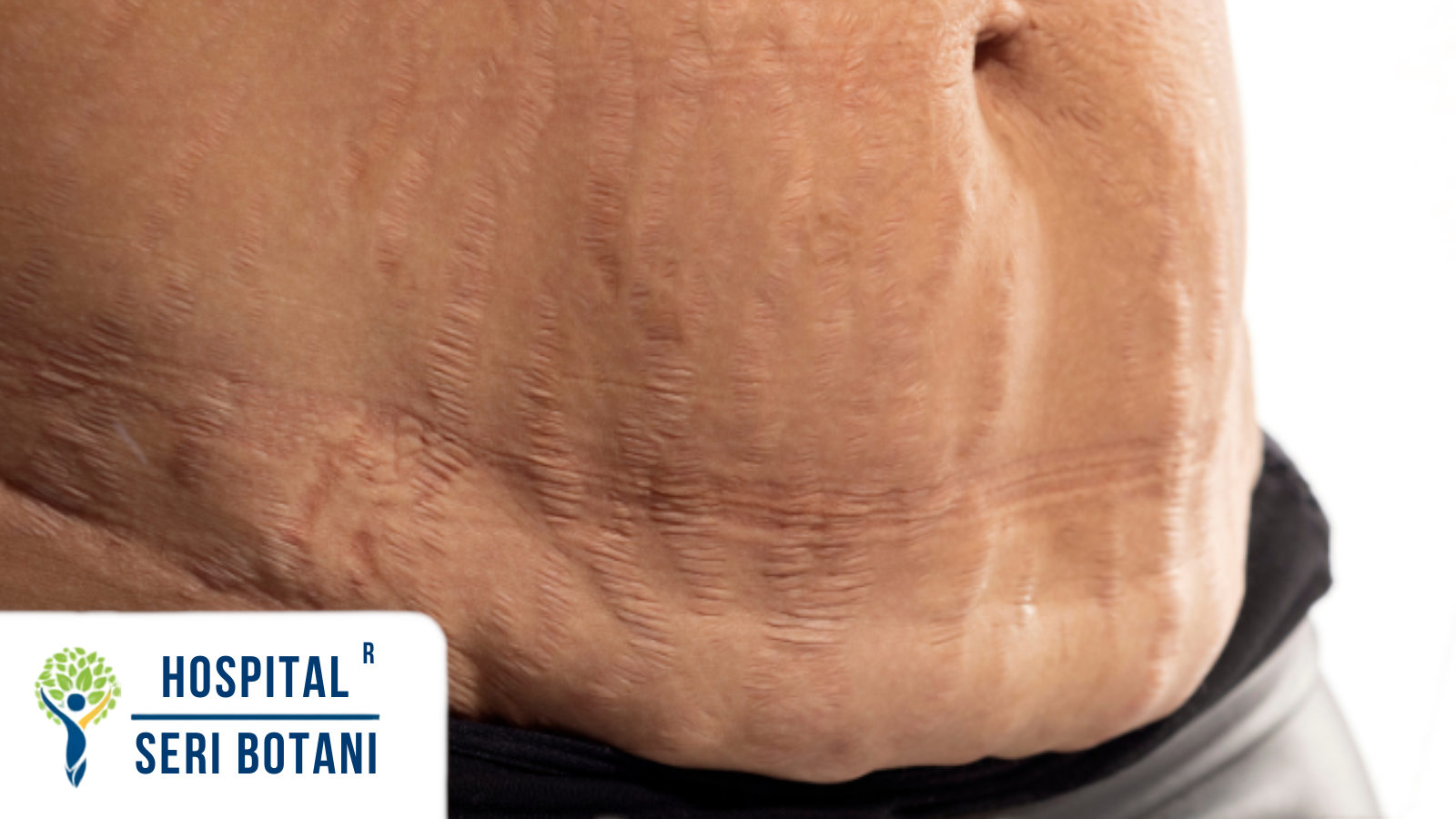
Why does loose skin remain after weight loss? When the skin stretches for a long time, its elasticity may not be strong enough to fully return to its original shape after the underlying fat is lost.
Age, genetics, the amount and speed of weight loss, pregnancy and skin elasticity can all play a role. Rapid or significant weight loss may make excess skin more noticeable, but not everyone develops the same degree of looseness.
Exercise can strengthen the muscles underneath the skin but cannot remove large amounts of excess skin. Similarly, creams and collagen supplements may support general skin health but cannot surgically tighten or remove significant loose skin.
When excess skin causes discomfort, hygiene problems or cosmetic concerns, body contouring may be considered.
Which Areas of the Body Can Be Contoured?
Body contouring can target one or several areas depending on where excess skin and tissue are present.
Abdomen
An abdominoplasty can remove excess abdominal skin and fat and may repair separated abdominal muscles when appropriate.
Arms
An arm lift removes excess skin from the upper arms and reshapes the area, particularly after significant weight loss.
Thighs
A thigh lift removes excess skin from the inner or outer thighs and improves their contour.
Buttocks
A buttock lift can lift and reshape sagging buttock tissue. Fat grafting may sometimes be used to restore volume.
Breasts
Breast lift, breast reduction or breast augmentation may be considered depending on whether the main concern is sagging, excess volume or loss of volume.
Back
Back contouring can remove folds of excess skin and tissue around the upper or lower back.
Neck
Neck contouring may address loose skin and excess tissue around the neck and jawline.
The appropriate procedure depends on the amount and location of excess tissue rather than weight loss alone.
What Body Contouring Procedures Are Available?
There is no single procedure that suits everyone. Your surgeon may recommend one operation or a combination depending on your anatomy and goals.
| Procedure | Who may benefit? | What it improves | Recovery & scars |
| Abdominoplasty | People with excess abdominal skin | Loose abdominal skin, contour and selected muscle separation | Several weeks of recovery; lower abdominal scar |
| Lower Body Lift | Significant loose skin around the abdomen, hips and buttocks | Lower-body contour and sagging tissue | Longer recovery; scar usually extends around the lower body |
| Upper Body Lift | Excess skin around the upper back, chest or sides | Upper-body folds and contour | Recovery varies; scars depend on the area treated |
| Arm Lift | Loose upper-arm skin | Sagging arms | Arm scar, often along the inner arm |
| Thigh Lift | Loose thigh skin | Sagging or excess thigh tissue | Groin and/or thigh scars depending on technique |
| Breast Lift | Sagging breasts | Breast position and shape | Breast scars vary by technique |
| Breast Reduction | Large or heavy breasts | Excess breast tissue and sagging | Breast scars are expected |
| Breast Augmentation | Loss of breast volume | Breast volume and shape | Small surgical scars; implants may be used |
| Buttock Lift | Sagging buttock skin | Lift and contour | Scars depend on technique |
| Liposuction | Localised excess fat | Body contour rather than loose skin | Small incision scars; does not remove major loose skin |
| Fat Grafting | Selected areas lacking volume | Restores volume using the patient’s own fat | Small scars from fat harvesting and injection |
Some procedures can be combined, while others may be safer when performed separately.
Are You a Good Candidate for Body Contouring?
Body contouring is generally considered after substantial weight loss when excess skin remains despite healthy lifestyle measures.
Your surgeon may consider:
- Whether you are close to your target weight
- Whether your weight is stable
- Your overall health
- Your BMI and nutritional status
- Skin quality and elasticity
- Smoking status
- Existing medical conditions
- Previous bariatric surgery
- Previous abdominal or other surgery
- Your expectations and goals
There is no single weight or BMI that automatically makes someone suitable or unsuitable. A stable weight is usually more important than reaching a particular number.
People who have undergone bariatric surgery may be suitable once their weight has stabilised and their nutritional health has been assessed. Conditions such as diabetes may require careful optimisation before surgery.
Older adults may also undergo body contouring if they are medically fit for surgery.
After pregnancy, body contouring may be considered once the body has recovered and pregnancy is no longer immediately planned. Future pregnancy can change the surgical results.
Can Multiple Body Contouring Procedures Be Performed Together?
Sometimes, yes. Combining procedures can address several areas during one operation. A common example is a “mommy makeover,” which may combine breast and abdominal procedures.
A circumferential or lower body lift may also treat excess tissue around multiple areas.
However, combining procedures increases the duration and complexity of surgery. Your surgeon will consider your health, the amount of tissue being treated, blood loss, anaesthesia time and recovery demands.
Some patients may be better suited to staged surgery, where procedures are performed separately. This can reduce the risks associated with a very long operation and make recovery more manageable.
What Should You Prepare for Before Body Contouring Surgery?
Your preparation may include a medical assessment, medication review and appropriate blood tests or other investigations.
Your surgeon may also discuss:
- Your weight and weight stability
- Previous operations
- Medical conditions
- Current medications and supplements
- Smoking and alcohol use
- Nutritional status
- Expected scars
- Recovery time
- Time away from work
- Need for drains
- Pain control
- Compression garments
- Activity restrictions
- Possible complications
- Your expected results
If you have lost a significant amount of weight, nutritional deficiencies should be addressed before surgery because adequate nutrition is important for wound healing.
It is also important to arrange help at home, particularly during the first few days after surgery.
What Happens During Body Contouring Surgery?
The exact process depends on the procedure.
Generally, the surgeon marks the treatment areas before surgery. Anaesthesia is then administered. Excess skin and tissue are removed, and the remaining tissues are reshaped.
Where appropriate, muscles may be repaired, fat may be removed with liposuction or fat may be transferred to another area.
The incisions are closed carefully to minimise tension on the wound. Drains may be placed temporarily to remove excess fluid.
The operation may take several hours, depending on how many areas are treated.
What Is the Recovery Timeline After Body Contouring Surgery?
Recovery varies depending on the procedure and whether multiple areas were treated.
First few days: Pain, swelling, bruising and tightness are common. You may need help with daily activities.
First 1–2 weeks: Light movement is encouraged, but strenuous activity is restricted. Some patients may begin returning to desk-based work depending on their recovery.
Several weeks: Swelling gradually decreases and mobility improves. Your surgeon will advise when you can exercise and resume heavier activities.
Several months: Scars gradually soften and fade. The final contour becomes easier to appreciate as swelling continues to settle.
Your surgeon’s instructions should take priority because recovery differs between individuals.
What Results Can You Expect?
Body contouring can create a smoother and more proportionate body shape, but it does not create a completely different body or guarantee perfection.
The results can look natural when the procedure is appropriately planned for your body shape. However, scars are an unavoidable part of most body contouring operations.
Body contouring is also not intended to cause significant weight loss. It mainly removes excess skin and selected tissue.
Some procedures can tighten separated abdominal muscles, but this does not mean they strengthen the muscles themselves.
Stretch marks within removed skin may be removed with that tissue, but stretch marks on remaining skin will usually remain.
Results can be long-lasting if you maintain a stable weight. However, significant weight gain, further weight loss, pregnancy and aging can change the results and may cause loose skin to return.
What Are the Risks and Complications?
Like any major surgery, body contouring has potential risks.
These may include:
- Bleeding
- Infection
- Fluid collection
- Blood clots
- Delayed wound healing
- Wound separation
- Changes in skin sensation
- Numbness
- Visible or widened scars
- Skin contour irregularities
- Asymmetry
- Anaesthetic complications
- Need for revision surgery
The risk may be higher when several procedures are combined or when a patient has certain medical conditions.
Your surgeon will assess your individual risk and explain how complications can be reduced.
Body Contouring Surgery: Myths vs Facts
| Myth | Fact |
| Body contouring is a weight-loss surgery. | It mainly removes excess skin and reshapes the body after weight loss. |
| Exercise can remove all loose skin. | Exercise can strengthen underlying muscles but cannot remove significant excess skin. |
| Body contouring leaves no scars. | Surgical body contouring requires incisions, so scars are expected. |
| You must reach a specific BMI before surgery. | Suitability depends on your overall health, weight stability and surgical risk, not BMI alone. |
| One operation can always treat the whole body. | Some patients require staged procedures for safety and better recovery. |
| The results are permanent regardless of weight changes. | Major weight gain, further weight loss or pregnancy can alter the results. |
| Liposuction removes loose skin. | Liposuction primarily removes fat and may not correct significant skin laxity. |
Take the Next Step Towards Your Desired Body Contour
If you are considering body contouring after significant weight loss, a Plastic and Reconstructive Surgeon assessment can help determine which procedure, or combination of procedures, is appropriate for you.
At Hospital Seri Botani (HSB), our experienced Plastic and Reconstructive Surgeons can assess your body contouring goals, overall health, skin laxity and previous weight-loss history before developing an individualised treatment plan.
You can also discuss your suitability for a relevant health screening package before surgery to identify health factors that may need to be addressed before an operation.
FAQs
- How much weight should I lose before body contouring surgery?
Ideally, you should be close to your target weight before surgery. More important than a specific number is maintaining a stable weight for an appropriate period.
- Is body contouring painful?
Some pain, tightness and discomfort are expected after surgery. Your surgeon will provide pain-management instructions to help control these symptoms.
- How many procedures can be performed at once?
It depends on your health, the procedures required and the expected operating time. Some combinations are safe for selected patients, while others are better performed in stages.
- Will I need drains?
Possibly. Some body contouring procedures require temporary drains to remove fluid and reduce the risk of fluid collection.
- Can body contouring improve posture?
It may improve comfort and body mechanics in some people, particularly when a large abdominal apron or excess tissue affects movement. However, it is not primarily a posture treatment.
- Will the surgery remove stretch marks?
Stretch marks on skin that is surgically removed may also be removed. Stretch marks on the remaining skin will generally remain.
- Can I become pregnant after body contouring?
Pregnancy may still be possible after body contouring, but it can stretch the abdominal and breast tissues and change your results. Discuss future pregnancy plans with your surgeon before surgery.
- How long should my weight remain stable before surgery?
There is no universal timeframe for everyone. Your surgeon will assess your weight history and overall health to determine whether you are ready for surgery.
- Is body contouring permanent?
The removed skin and fat do not simply grow back, but ageing, pregnancy and significant weight changes can alter the results.
- Can I undergo another weight-loss journey after surgery?
It is possible, but significant weight loss after body contouring can create new loose skin and change the results. If further major weight loss is planned, discuss this with your surgeon before undergoing surgery.
If excess skin remains after significant weight loss and affects your comfort, movement or confidence, speaking with an Orthopaedic/Plastic and Reconstructive Surgery specialist can help you understand your options and whether body contouring is appropriate for you.